Google has published the Google November 2026 Android security bulletin, and it is one of the largest monthly Android updates of the year. Unfite has checked the official bulletin details so you can understand what was fixed, which phones are covered, and what to check on your own device. The update fixes 216 flaws in total, including serious problems that could, in theory, be used without any tap or action from the phone owner.
This is not a feature update. It does not add new apps or change how Android looks. It is a free security update delivered over the air, and its job is to close holes that could let an attacker gain control, read private information, or crash a device. Pixel phones get these fixes first, while other makers follow their own schedules.
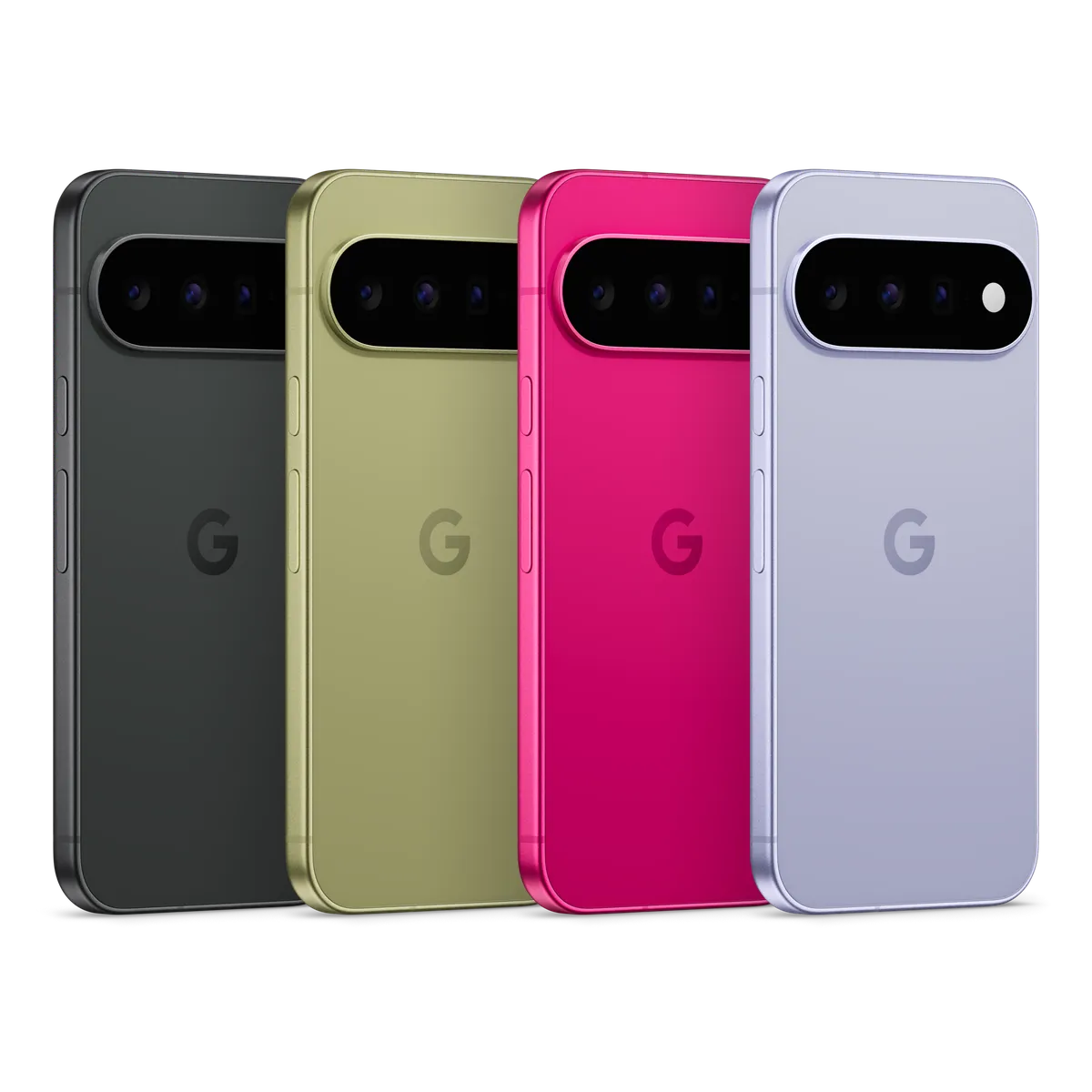
Image Credit: Google — Official Pixel product image
Google November 2026 Android Security Bulletin at a Glance
The Google November 2026 Android security bulletin was published on 2 November 2026. It covers Android 14, Android 15, Android 16, Android 16 QPR2, and Android 17. In total, it fixes 216 flaws. That headline number is useful, but the split between the two patch levels matters more when you check your phone.
The first group, patch level 2026-11-01, contains 119 fixes. These cover the Framework, the System, and the Android runtime. The second group, patch level 2026-11-05, contains 97 fixes. These cover the kernel and parts supplied by chip and component makers, including Arm, Imagination, MediaTek, Unisoc, and Qualcomm.
If your phone shows 2026-11-05 or later, it should include all applicable fixes from both groups. If it shows only 2026-11-01, it has the first group, but not yet the second. That is a simple check worth doing in Settings, under Security or About phone, depending on your device.
| Patch level | Fixes | Main areas covered |
|---|---|---|
| 2026-11-01 | 119 | Framework, System, Android runtime |
| 2026-11-05 | 97 | Kernel, Arm, Imagination, MediaTek, Unisoc, Qualcomm |
| Bulletin total | 216 | All areas above |
| Rated Critical | 23 | Across the whole bulletin |
What Types of Flaws Were Fixed?
Across the Android parts of the bulletin, the largest groups were 65 Framework fixes and 53 System fixes, followed by 30 MediaTek fixes. By bug type, Android fixes included 62 privilege escalation flaws, 33 information disclosure flaws, 20 denial of service flaws, and 4 remote code execution flaws. Privilege escalation means an app or process could gain more access than it should have. Information disclosure means private data could be exposed. Denial of service means a device or service could be crashed or made unusable.
Only 23 flaws across the bulletin were rated Critical, but that label matters. A Critical flaw is one Google treats as especially serious, often because it can be used remotely or with little or no user action. That is why the headline flaws below deserve attention, even though most users will simply install the update and move on.
The Most Serious Flaws in This Bulletin
A zero-click flaw in media decoding
The headline Critical Framework flaw is CVE-2026-58868. It is a remote code execution flaw with no additional execution privileges needed and no user interaction required. In plain terms, that is the definition of a zero-click risk: the vulnerable code could be triggered without the owner tapping anything extra. The flaw is described as a heap buffer overflow in media frame decoding, which means specially handled media data could overflow a memory buffer and allow code to run.
That does not mean every Android phone was attacked this way. Google flagged no issue in this bulletin as exploited in the wild, and no public proof of concept was confirmed for these flaws at the time of publication. Still, media decoding is a common attack surface because phones handle images, audio, and video from messages, browsers, and apps every day. Fixing it promptly is the point of the monthly bulletin.
Media Codecs, libpng, and Play system updates
Two other flaws show why media handling appears so often in security updates. CVE-2026-58876 is a use-after-free flaw in Media Codecs, and CVE-2026-58936 is a use-after-free flaw in libpng, the widely used image library. Some fixes in this area are delivered through Google Play system updates as well as through the full monthly patch, so a phone may receive part of its protection that way.
The bulletin also notes that several Media Codecs, MediaProvider, Wi-Fi, and Telephony fixes are delivered via Google Play system updates in some cases. That is helpful, but it does not replace the full patch level check. A Play system update and a monthly security patch are different layers, and the patch level date is the clearer summary of the monthly bulletin.
System privilege escalation
Three critical System privilege escalation flaws are CVE-2026-55275, CVE-2026-55283, and CVE-2026-58984. Of these, CVE-2026-55275 is described as remote privilege escalation and affects Android 16 and later. Privilege escalation is serious because it can turn a limited foothold into broader control of the device. Closing these flaws is a central reason to install the November update rather than delay it.
Kernel, Bluetooth, and chip-maker flaws
The 2026-11-05 group also includes kernel Bluetooth flaws CVE-2026-53256 and CVE-2026-89774, both rated Critical. Bluetooth is always listening on many phones, so kernel-level Bluetooth flaws are treated seriously even when most users never think about them. Vendors also rated 9 of their own flaws as Critical in this bulletin: 8 MediaTek modem flaws and 1 Qualcomm flaw. That split is a reminder that Android security is not only about Google code. The chips and modems inside phones need their own fixes, and those fixes arrive with the second patch level.
The AOSP source patches for this bulletin were to be available within 48 hours of publication. That timing matters for developers and device makers, who need the source code to build and test their own updates. It also explains why different brands do not all update on the same day. A separate Android XR bulletin adds one XR-specific Framework flaw, but that is a separate track for XR devices and does not change the main Android bulletin total discussed here.
How This Bulletin Relates to Samsung Phones
Samsung phones use Android, so Samsung’s November update is closely related to this Google bulletin, but it is not identical. Samsung’s November SMR applies 155 Google fixes, with 23 bulletin items not applicable to Samsung devices, plus 24 Samsung Mobile fixes and 4 Semiconductor fixes. In other words, Samsung applies part of this same Google bulletin, then adds its own device-specific work on top.
For the full Samsung picture, see our separate post: Samsung November 2026 Security Patch Detailed. That post explains Samsung’s own patch in detail, while this post covers the wider Google bulletin for all Android devices. If you own a Samsung phone, you should follow Samsung’s rollout for your model, not assume that a Pixel update date applies to you.
What Pixel and Other Android Users Should Do
First, check your patch level. On most Android phones, go to Settings, then About phone or Security, and look for the Android security update date. If it already shows 2026-11-05 or later, you have the applicable fixes from both groups. If it shows 2026-11-01, you have the first group and should watch for the second group from your maker.
Second, install the update when it arrives and restart if asked. The update is free and delivered over the air. It is not a paid upgrade and it does not require a new phone. Third, keep Google Play system updates current as well, because some media and system components are updated that way. Finally, keep your apps updated, since app updates can also close related issues.
At Unfite, we recommend not delaying security updates because a flaw is described as theoretical. Once a bulletin is public, the details are visible to researchers and attackers alike. The safest habit is simple: install promptly, check the patch date, and move on.
What Is Not Yet Confirmed
It is important to state plainly what this bulletin does not confirm. Google has not confirmed a single Pixel build number, a first-device list, or a specific rollout date for every Android phone in this bulletin, and this post does not invent any of those details. Pixel phones receive fixes first in general, but the exact timing for your model depends on your maker and, in some cases, your carrier. Other makers follow their own schedules, so a November bulletin does not mean every phone updates on the same day.
For the official bulletin overview, see the Android Open Source Project security bulletins page. That page is the official source for AOSP bulletin information and links to the monthly bulletins.
Frequently Asked Questions
What is the Google November 2026 Android security bulletin?
It is Google’s November 2026 monthly Android security bulletin, published on 2 November 2026. It fixes 216 flaws across patch levels 2026-11-01 and 2026-11-05, covering Android 14, 15, 16, 16 QPR2, and 17.
How do I know if my phone has the full November fix?
Check your Android security update date in Settings. A date of 2026-11-05 or later means you have all applicable fixes from both groups. A date of 2026-11-01 means you have the first group only and should watch for the second group.
Was any flaw in this bulletin exploited in the wild?
No. Google flagged no issue in this bulletin as exploited in the wild, and no public proof of concept was confirmed at publication. That is reassuring, but it does not mean the flaws can be ignored, because bulletin details become public.
Do I need to pay for this update?
No. The update is free and delivered over the air. It is a security update, not a feature update or a paid upgrade, and it does not require a new phone.
Does Samsung’s November update include all of these Google fixes?
Not all of them, and not in the same form. Samsung’s November SMR applies 155 Google fixes, with 23 bulletin items not applicable to Samsung, plus 24 Samsung Mobile fixes and 4 Semiconductor fixes. Samsung owners should follow Samsung’s own rollout for their model.
In short, the Google November 2026 Android security bulletin is a large, serious, and routine-in-the-best-sense update: install it when it arrives, check for 2026-11-05 or later, and keep Play system updates current. Unfite will continue to track monthly Android security updates and explain them in plain language, so readers can tell the difference between a security patch and a feature release.